Description
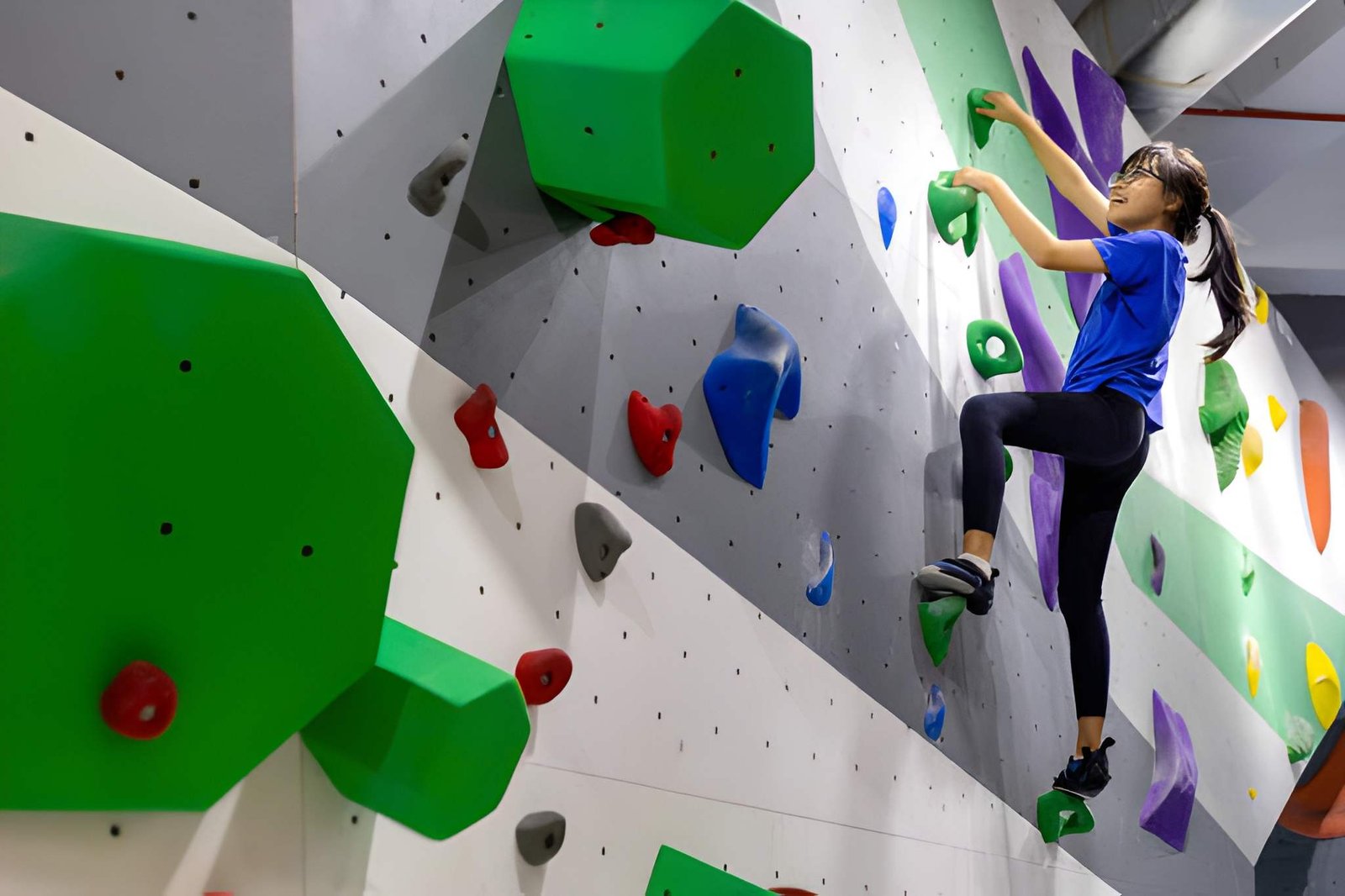
Artificial wall climbing refers to the sport of climbing on man-made structures designed to simulate natural rock surfaces. These walls are commonly found in indoor climbing gyms and outdoor training facilities, providing a safe and controlled environment for climbers of all skill levels. The walls are constructed with various angles, textures, and features, including overhangs, vertical sections, and slabs, to replicate different types of climbing challenges. Color-coded holds are placed strategically to create routes of varying difficulty, allowing climbers to progressively improve their skills.
This form of climbing is ideal for beginners as it offers a structured setting with trained instructors, safety systems, and standardized routes. At the same time, it is widely used by experienced climbers for training and practice, helping them build strength, endurance, and technique. Artificial wall climbing also plays a significant role in competitions, where climbers compete in disciplines such as speed climbing, lead climbing, and bouldering. The sport promotes physical fitness, coordination, and mental focus while reducing many of the environmental risks associated with outdoor climbing. It is accessible year-round, regardless of weather conditions, making it a popular and inclusive option for adventure sports enthusiasts.
Highlights
- Safe and controlled climbing environment
- Suitable for beginners and advanced climbers
- Variety of routes with different difficulty levels
- Weather-independent, can be practiced year-round
- Used for training and competitive events
Equipment
- Climbing shoes for better grip
- Harness for safety during climbs
- Ropes and belay systems
- Carabiners and belay devices
- Chalk and chalk bag for hand grip
- Safety mats (especially for bouldering walls)

Reviews
There are no reviews yet.